
Zhixin Zhao
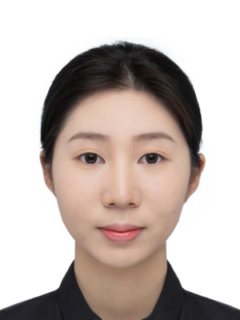
Master student
Phytotherapeutic Agent-Loaded Hydrogel–Melt Electrowritten Scaffolds for Biomedical Applications
Supervisors: Dr. Irem Unalan, Prof. Aldo R. Boccaccini
Plant-derived bioactive compounds have attracted growing interest in biomedical applications due to their diverse biological activities [1]. In particular, cinnamon oil exhibits antibacterial and antioxidant properties, supporting its biomedical potential [2]. Melt electrowriting (MEW) is a high-precision technique for fabricating polymeric scaffolds with controlled fiber and pore structures.[3]. Combining MEW scaffolds with hydrogels integrates the structural support of MEW with the hydrated environment and bioactive compound delivery capability of hydrogels. [4] This Master’s thesis aims to develop a phytotherapeutic agent-loaded hydrogel-MEW scaffold. In this regard, cinnamon oil incorporated with gelatin hydrogel will be combined with a polycaprolactone (PCL) MEW scaffold. Its physical, chemical, mechanical, and biological properties will be characterized to assess its potential for broader biomedical applications.
[1] Ünalan, I., & Boccaccini, A. R. (2021). Essential oils in biomedical applications: Recent progress and future opportunities. Current Opinion in Biomedical Engineering, 17, 100261.
[2] Ünalan, I., Fuggerer, T., Slavik, B., Buettner, A., & Boccaccini, A. R. (2021). Antibacterial and antioxidant activity of cinnamon essential oil-laden 45S5 bioactive glass/soy protein composite scaffolds for the treatment of bone infections and oxidative stress. Materials Science and Engineering: C, 128, 112320.
[3] Dalton, P. D. (2017). Melt electrowriting with additive manufacturing principles. Current Opinion in Biomedical Engineering, 2, 49-57.
[4] Damian-Buda, A. I., Boccaccini, A. R., & Ünalan, I. (2026). Multifunctional wound dressings: Melt electrowritten scaffolds combined with phytotherapeutic composite hydrogels. Advanced Materials Interfaces, 13, e70581.